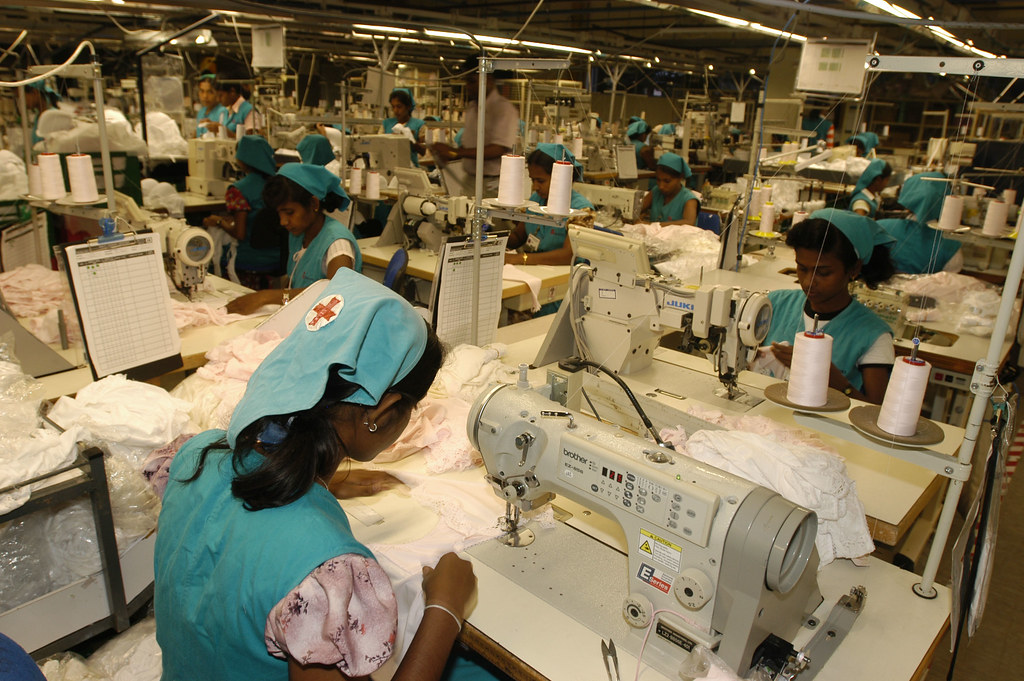
Bali, the mesmerizing Indonesian island famous for its breathtaking landscapes, rich traditions, and dynamic creative environment, is not only a desired tourist destination but also a center for the flourishing garment industry. Bali’s fashion sector, frequently referred to as the “clothing heritage of Bali,” smoothly weaves blends heritage and modern influences, producing garments that not just showcases the locale’s cultural legacy but also serves modern fashion directions.
At the core of the Bali Garment business dwells the use of time-honored textiles. Balinese cultural textiles are celebrated for their detailed designs, lively colors, and deep cultural importance. Materials like “ikat” and “batik” are at the heart of the island’s textile legacy, each conveying a unique narrative through the motifs and patterns crafted or printed onto them. These materials go beyond mere pieces of cloth; they embody Bali’s past, beliefs, and customs.
The garment trade in Bali stands out for its devotion to upholding craftsmanship artistry. Skilled craftsmen, commonly operating within their neighborhood societies, involve themselves in intricate procedures that metamorphose unprocessed resources into beautiful garments. From coloring and fabricating to stitching and decorative details, each step in the production of a Bali garment demonstrates the dedication these craftsmen hold toward their heritage.
Although rooted in tradition, the Bali Garment industry exhibits efficiently adapted to the requirements of the contemporary fashion landscape. Designers and entrepreneurs work together to infuse heritage textiles into contemporary clothing styles, leading to one-of-a-kind pieces that are simultaneously culturally rich and fashionable. This merging allows the business to meet the needs of both markets looking for traditional wear and international audiences interested in groundbreaking designs.
In the last few years, the Bali Garment industry has taken significant strides in the direction of sustainability and ethical production. With escalated global consciousness of environmental and labor issues, numerous stakeholders in the sector are adopting eco-friendly materials, ethical labor practices, and fair trade principles. This devotion not solely assures the longevity of the industry but furthermore harmonizes with the island’s harmonious way of life.
Although the Bali Garment industry showcases impressive resilience and adaptability, it is not lacking its challenges. contest from mass-produced, cheaper alternatives constitutes a threat to the continuation of traditional practices. Additionally, the industry is required to navigate the intricacies of intellectual property rights to safeguard its cultural assets from exploitation.
Nonetheless, these obstacles also facilitate possibilities to innovation and collaboration. The rise of e-commerce and digital platforms provides a international stage for Bali garment. Collaborations between local artisans and international designers present novel perspectives and widen the industry’s reach.
While the Bali Garment industry keeps developing, it is vital to sustain a fragile balance between tradition and modernity. Actions to encourage education and skill development within local communities can empower the upcoming cohort of artisans to sustain the legacy of traditional textiles and craftsmanship.
In conclusion, the Bali Garment industry serves as a testament to the island’s capacity to embrace change while honoring its traditional roots. With its harmonious fusion of tradition and contemporary aesthetics, this industry exemplifies the essence of Bali’s artistic and cultural heritage. As we see its journey, it becomes evident that the Bali Garment is not merely a piece of clothing, but a dynamic embodiment of history, creativity, and identity.
 Berburu